Hello everyone, sorry for the lack of posts over the past few days, I was on vacation. Today was a great day on the water. On our 10:00 am trip we had a minke and a finback right in Head Harbour Passage. On the 2:00 pm trip the same finback had made its way to the south eastern edge of Campobello Island and we also saw a few minke whales. On our evening trip we had a "hat trick" seeing all 3 species of whales we commonly see in our section of the Bay of Fundy: minke, finback and a humpback whale. I wasn't on the evening trip but the whale was tentatively ID'd as Hobo, but I will keep you posted. I don't have any pictures from today, today was the day when I put my camera down and just watched the whales. I make myself do that once in a while just to make sure I don't spend my entire summer looking through my camera.
On August 4th we made a very special trip about 35 miles south in search on the incredibly rare North Atlantic Right Whale. We left at 7:30 am and with the help of our Scout Boat (which left at 5:30 am) we reached a large group of right whales in just under 2 hours. There are only about 350 individual North Atlantic right whales left in the world and a large part of that population comes to the mouth of the Bay of Fundy to feed, nurse their young and court.
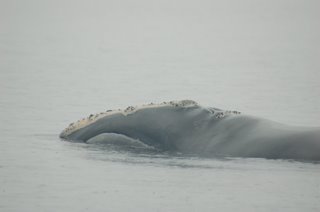
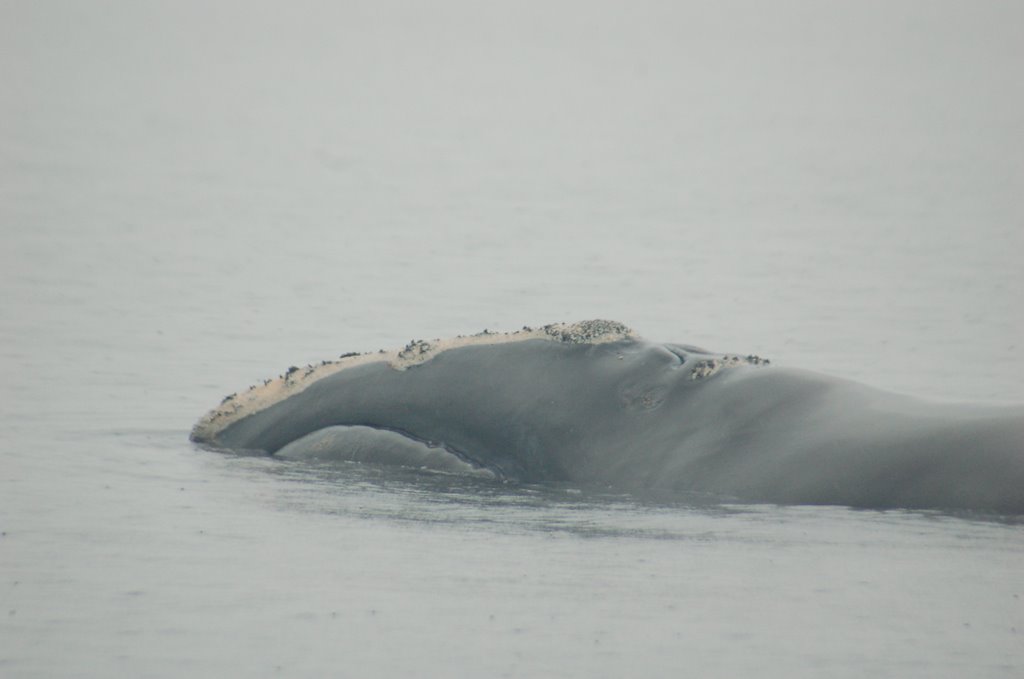
Here you can see the high arch of the lower jaw and the callosities (the roughened patches of skin) on the whales head. These callosites are unique to each whale and help ID individuals.
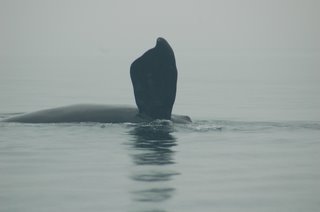
Their pectoral flippers are spatulate shaped.
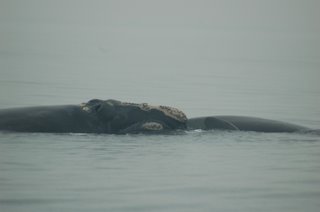 Here is a pair of right whales that were very active at the surface, rolling over and around each other. At this time of the year right whales can been seen in SAG's, surface active groups. Right whales mate and court in large numbers with their reproductive strategy based on sperm competition. One of the right whales "claim to fame" is that testes of the male weigh up to 1 ton combined, the largest in the animal kingdom.
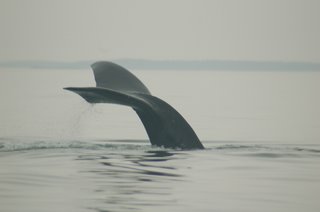
The large, smooth, deeply-notched tail is distinct and helps make the right whale easy to identify. They also have no dorsal fin, callosities on the head and a tall, V-shaped blow.
We may end up doing another right whale trip in September, so I will keep you posted. I plan on taking my camera out tomorrow, and I will let you all know what we are seeing.

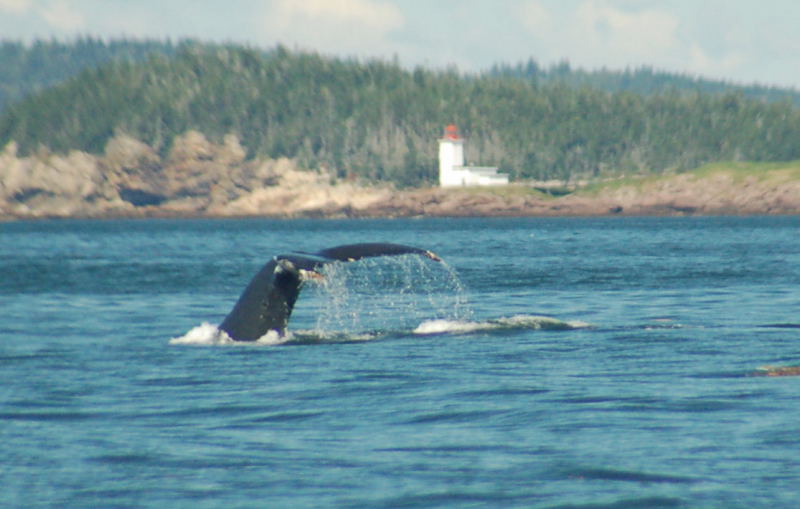


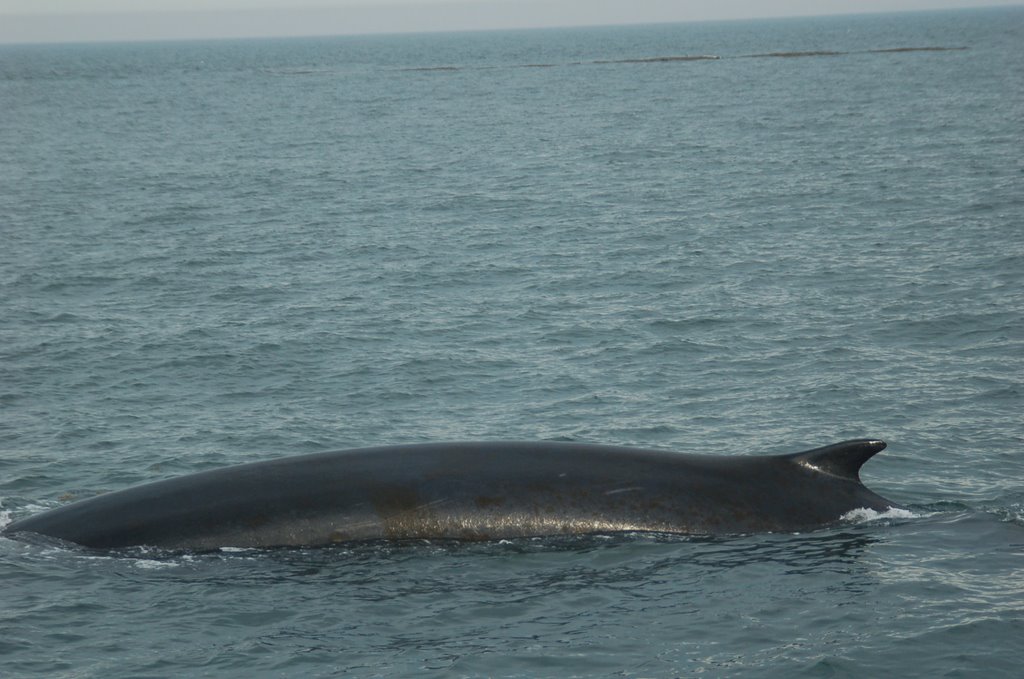


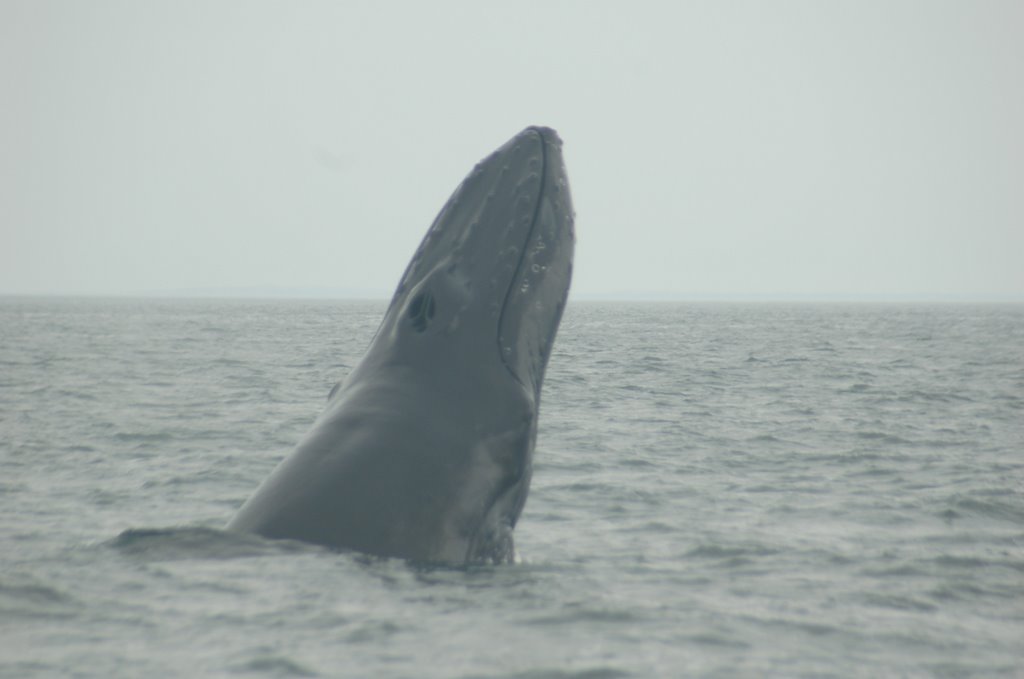

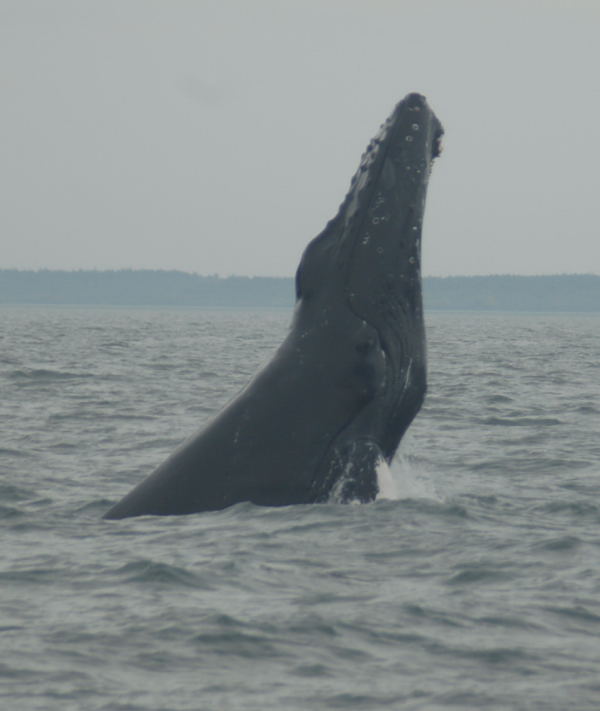


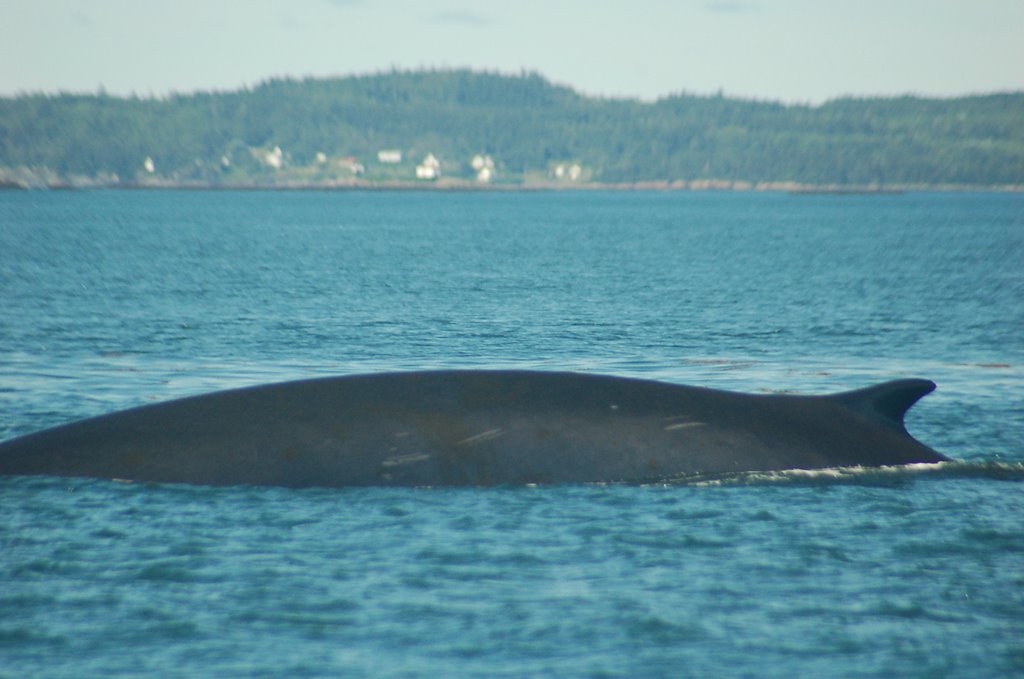

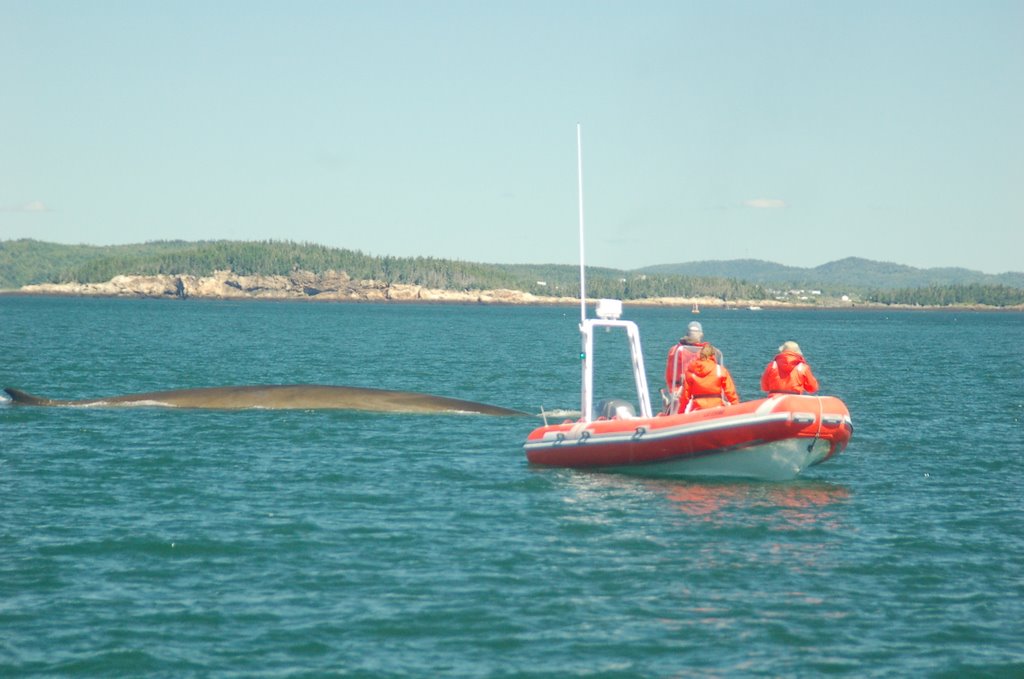


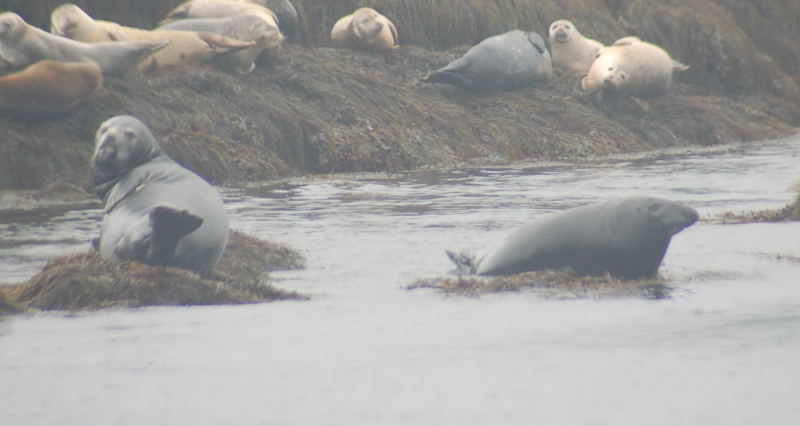

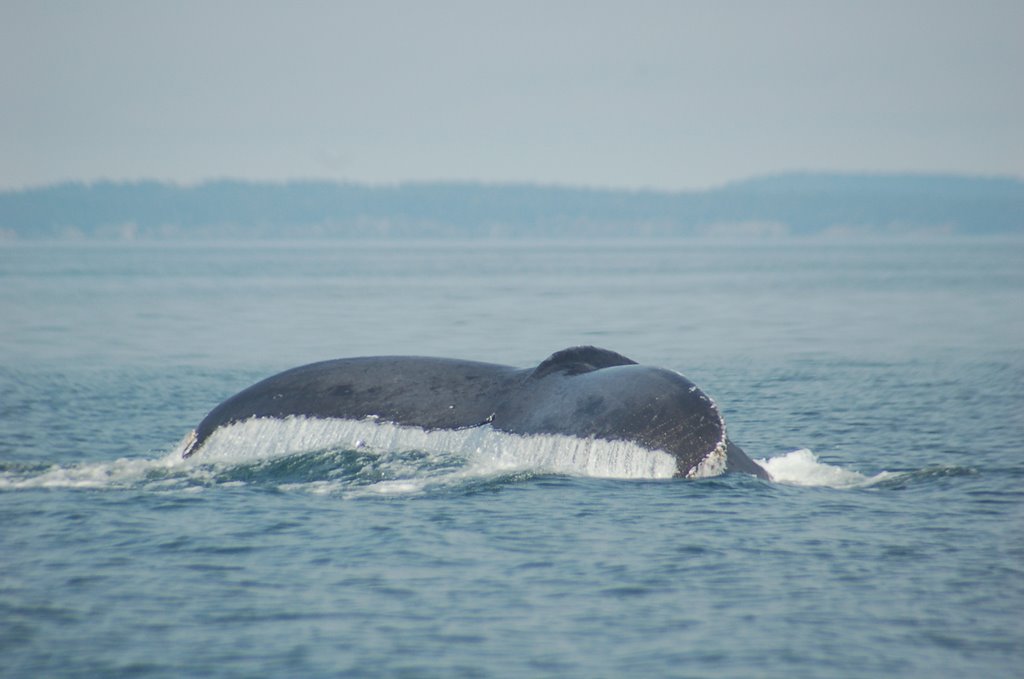

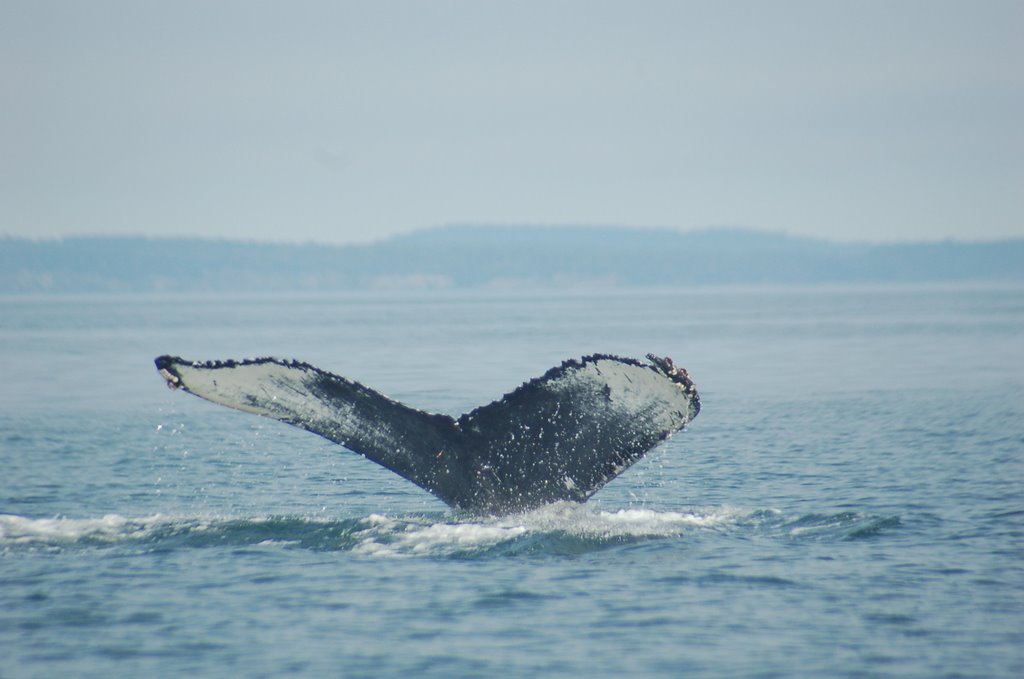
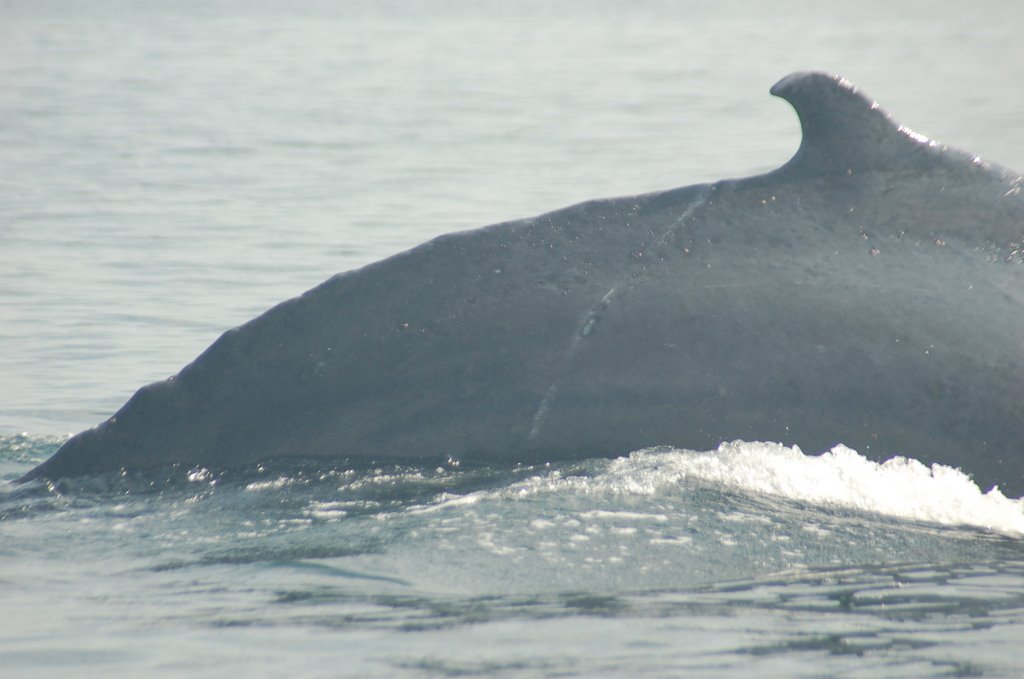
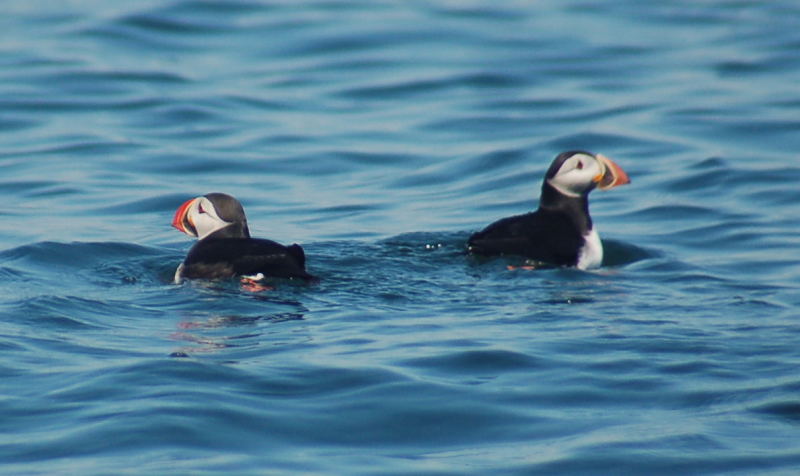
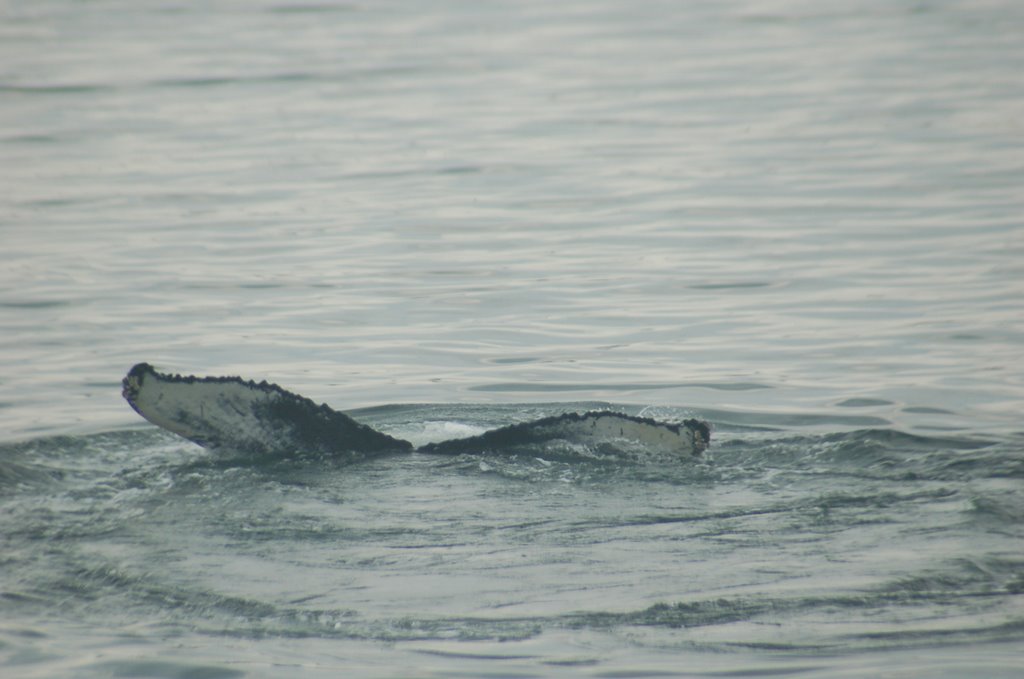


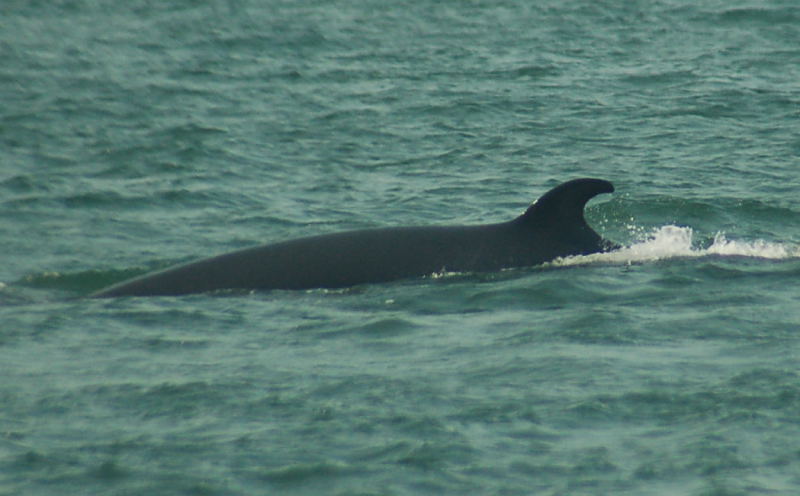
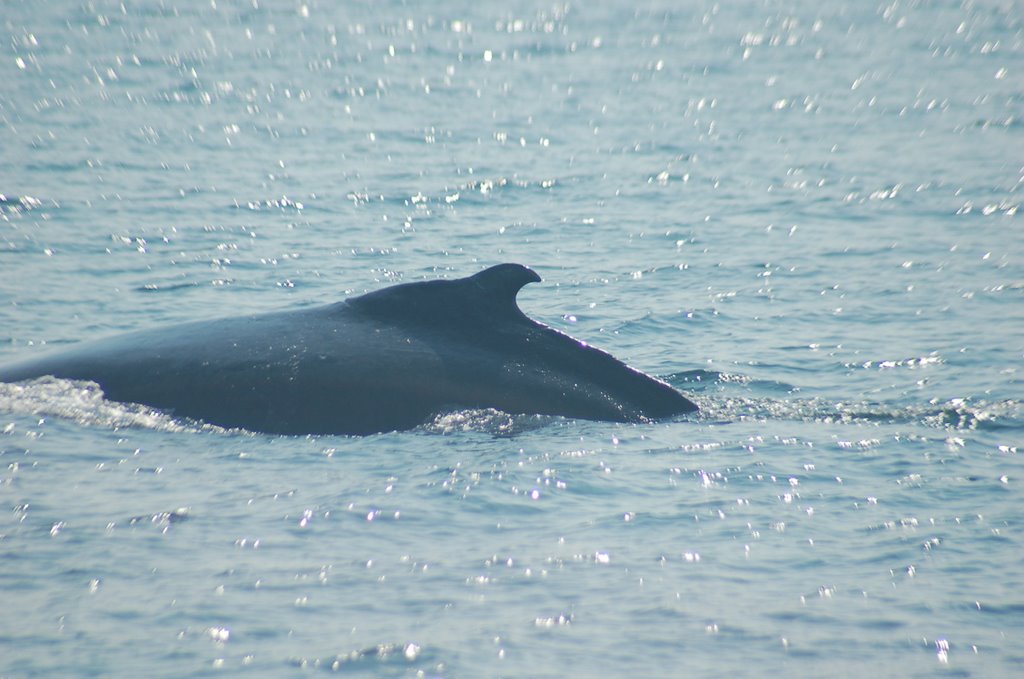
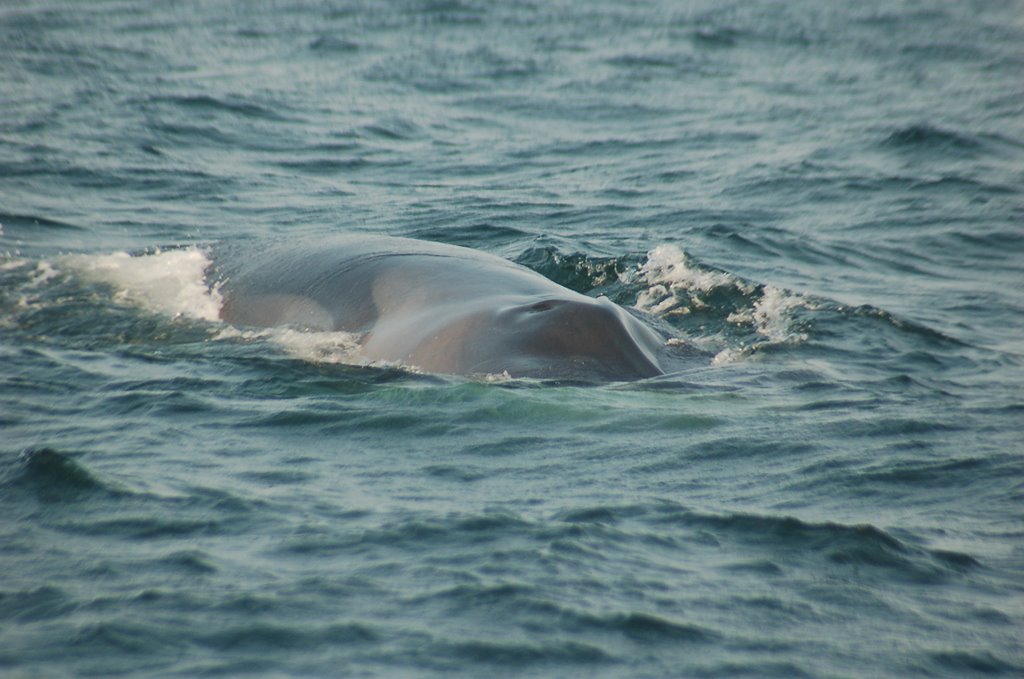
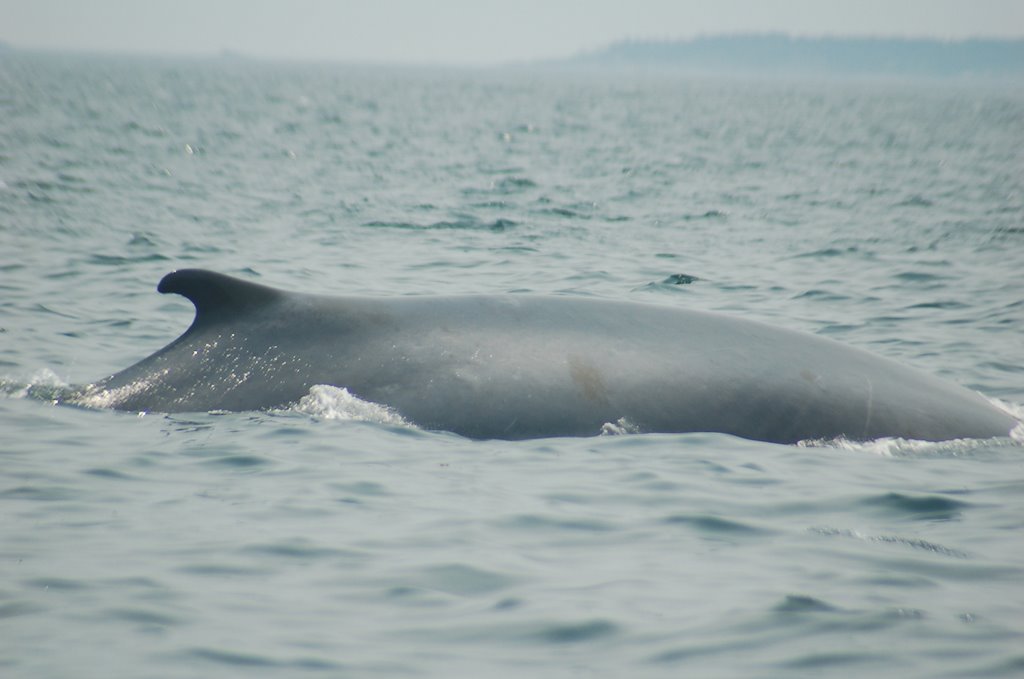
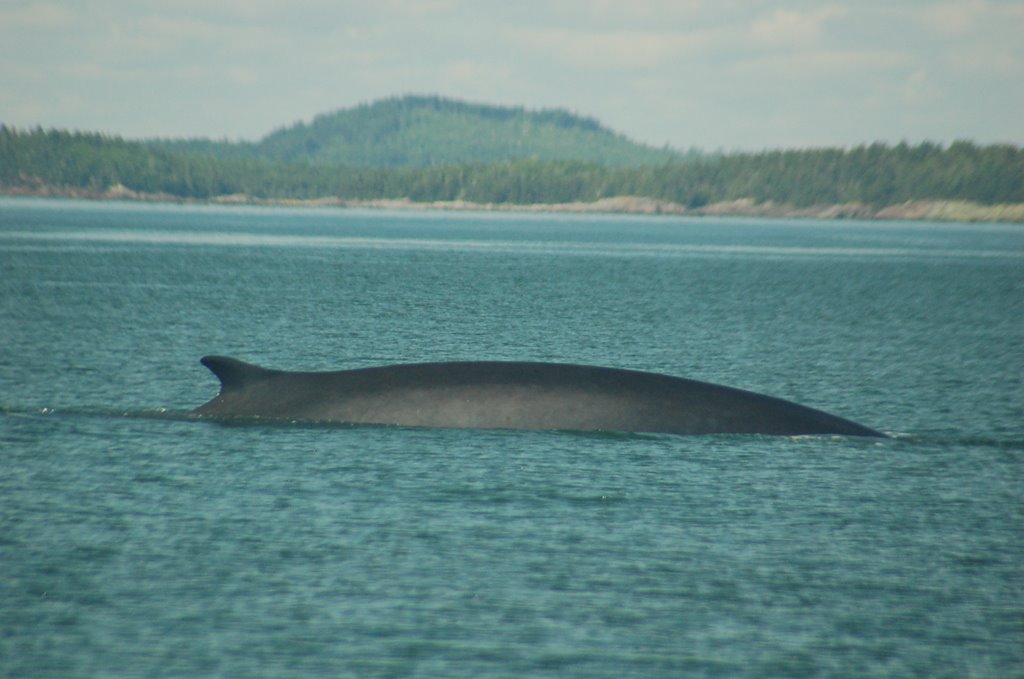
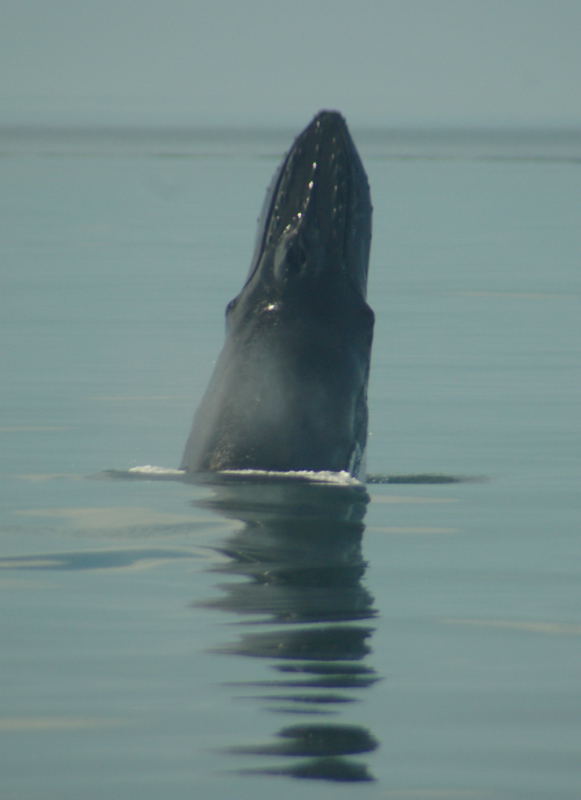
 Here is a minke whale that we saw in Head Harbour Passage on July 3rd. Head Harbour is a popular spot to look for whales. It is a deep passage where there is a lot of upwelling, and brings the cold, nutrient-rich water to the surface and provides plenty of food for the whales.